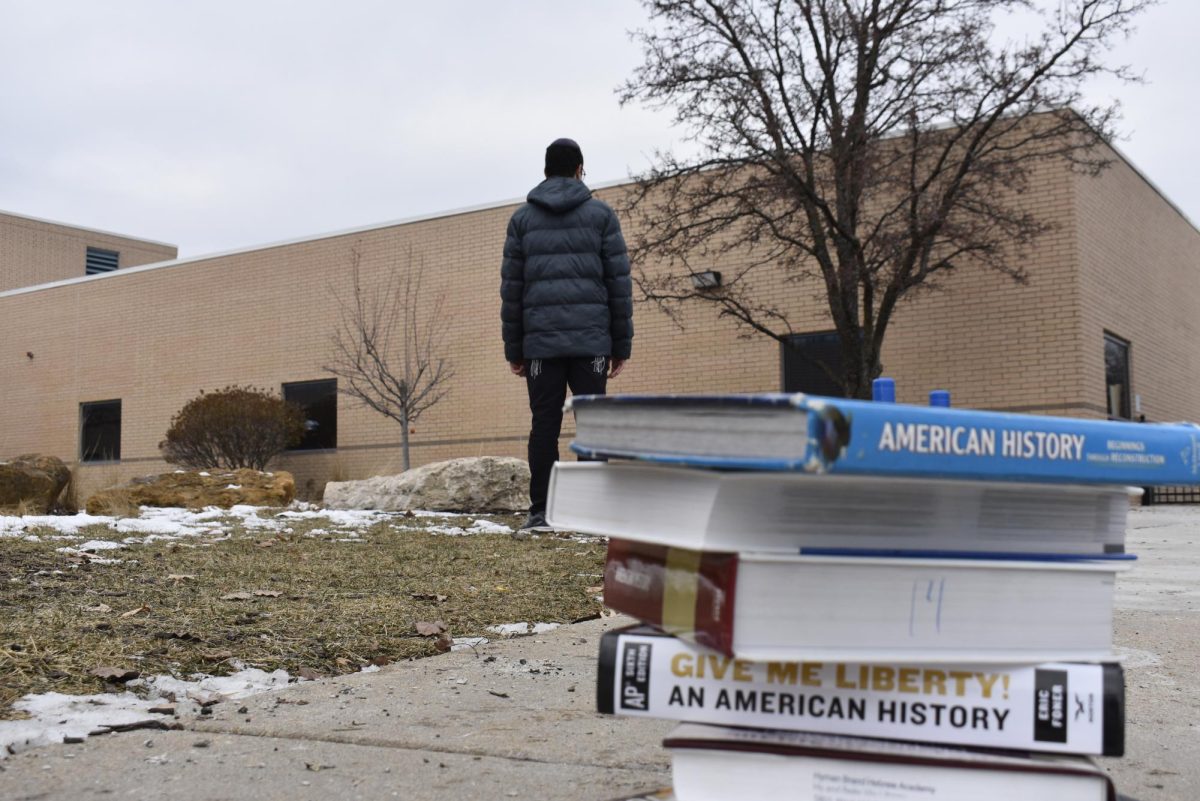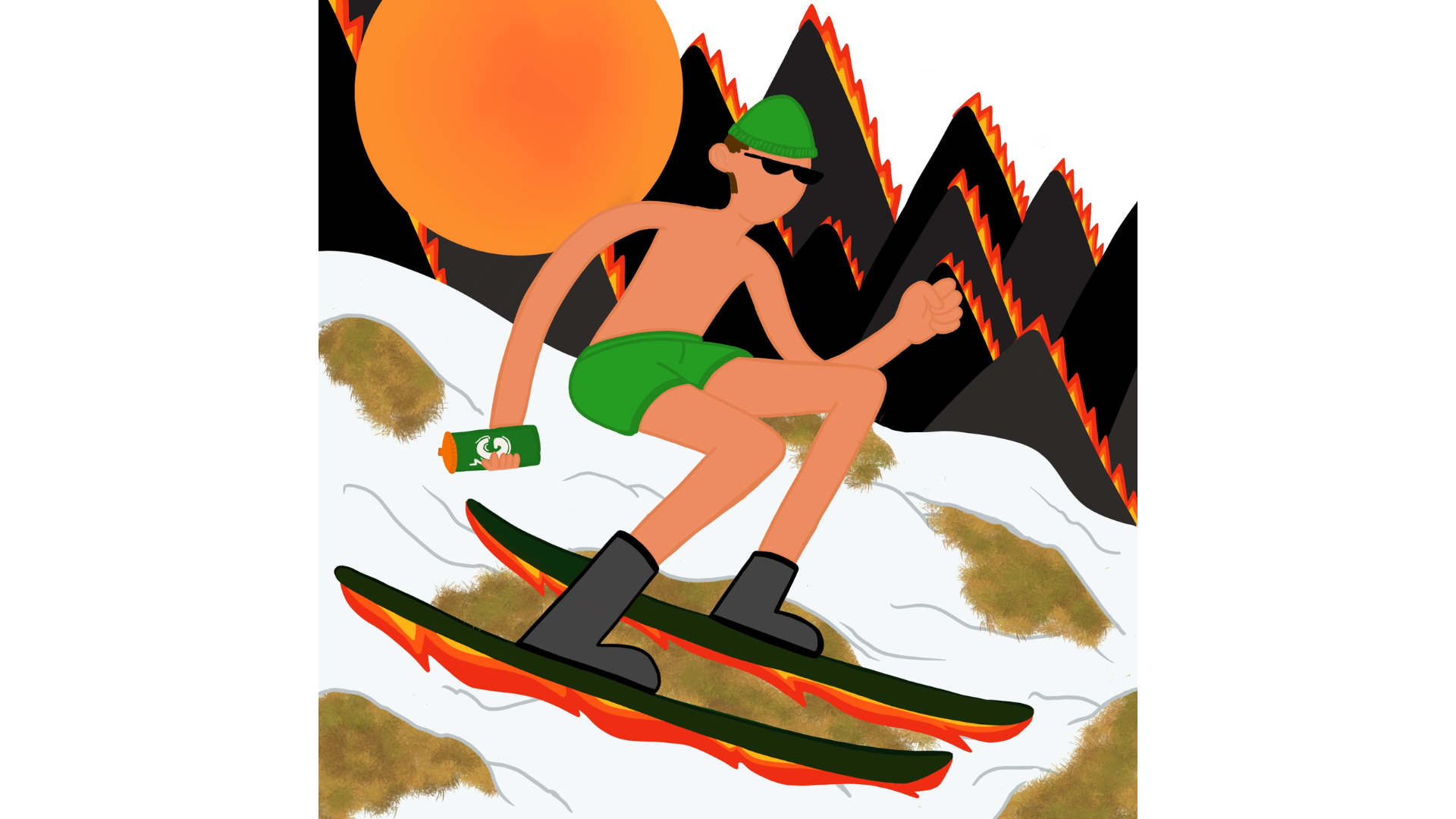

Over the past few years, winter sports have become increasingly inaccessible. The warm weather conditions have not met the needed standards for the utmost participation in winter sports. The greatest example of this is the effect climate change has had on this year’s ski season, an activity many HBHA families enjoy.
This year, skiers, including me, were left in disbelief at the busiest weekend of the ski season. There was minimal snow, and in some places the ground was completely bare. Scientists think this is caused by our warming climate.
My experience skiing this season was better than many others. I skied in Aspen, Colo., and when I first got there, there was not a lot of snow. But, as our trip progressed, the snow amount increased. Skiing is not the same experience during these light coverage seasons because low snow coverage limits what you can and can’t do while skiing.
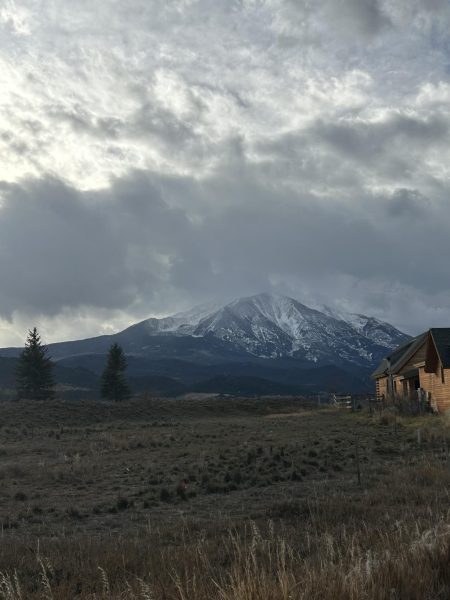
Shua Rich, who went skiing at Keystone, Colo., in December 2025, explained that “there was a major difference” between man-made snow and natural snow. “It was very icy throughout the day because the sun would melt the snow… And then it became very icy in specific parts.”
Climate change has significantly affected this year’s ski season. I have experienced this ski season being both dry and warm, leaving resorts without snow during the busiest week of the year. It is not uncommon for resorts to have slow years, but recently, these low-coverage seasons have become more frequent and harsh due to the changing climate. When there is not enough snow to keep trails open, ski resorts will do their best to keep them open, which leads to large crowds on a few trails.
This leaves resorts scrambling to make enough snow, causing a huge financial burden and loss of skiers. Snowmaking is a common practice among ski resorts to compensate for a lack of snowfall. This is done by freezing it directly and distributing it across the mountain.
Resorts have become extremely dependent on snowmaking to meet their visitors’ expectations. According to a study by ESPN, resorts spend up to 3.5 million dollars and take up sixty-seven percent of their energy on snowmaking.
Throughout my research, I have realized how global warming gives ski resorts a much larger financial burden than I originally thought. If customers are repeatedly left unhappy with the ski conditions, then they will stop going, leading to lower revenue for the ski resort.
Teton Gravity Research says that “North American visitation is down a staggering twenty percent compared to last year,” leading to reduced revenue for the resorts.
“You have got to be a lot more careful, and you can’t go as fast. So, it’s just not as fun,” Rich said. In my experience skiing this season, there were many parts on the mountain where you had to carefully go around rocks and dirt spots, slowing you down creating a less fun skiing experience.
If the warming climate trend continues, the future for skiing and snow sports is grim. When asked about what skiing was like in this year’s horrible conditions, Rich said, “It was not as fun as it was in my previous years.”
In future years, skiing will become more exclusive and expensive because of the limited capacity and opportunities. According to Seniors Skiing, “Many local ski hills have closed in recent decades due to financial difficulties… their disappearance could further accelerate the sport’s decline.”
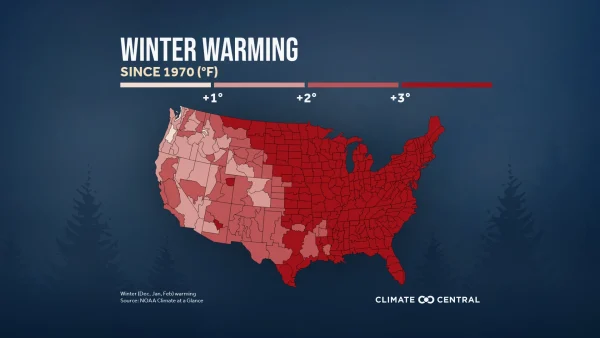
The effects of climate change not only affect skiing but also other winter sports. Through personal participation in winter sports, I have realized that winter sports are already exclusive because they are extremely costly. On top of the financial burden, the lack of snow is making these sports even more costly, and these limitations result in exclusivity. This can possibly lead to the downfall of winter sports in popularity and a larger risk of extinction.
Ultimately, as global warming continues, there will be many negative consequences for the world, especially the ski industry. The best thing people like you and me can do to slow down global warming is to make everyone aware of its effects and take action. This will hopefully ensure the future of winter sports for generations to come.