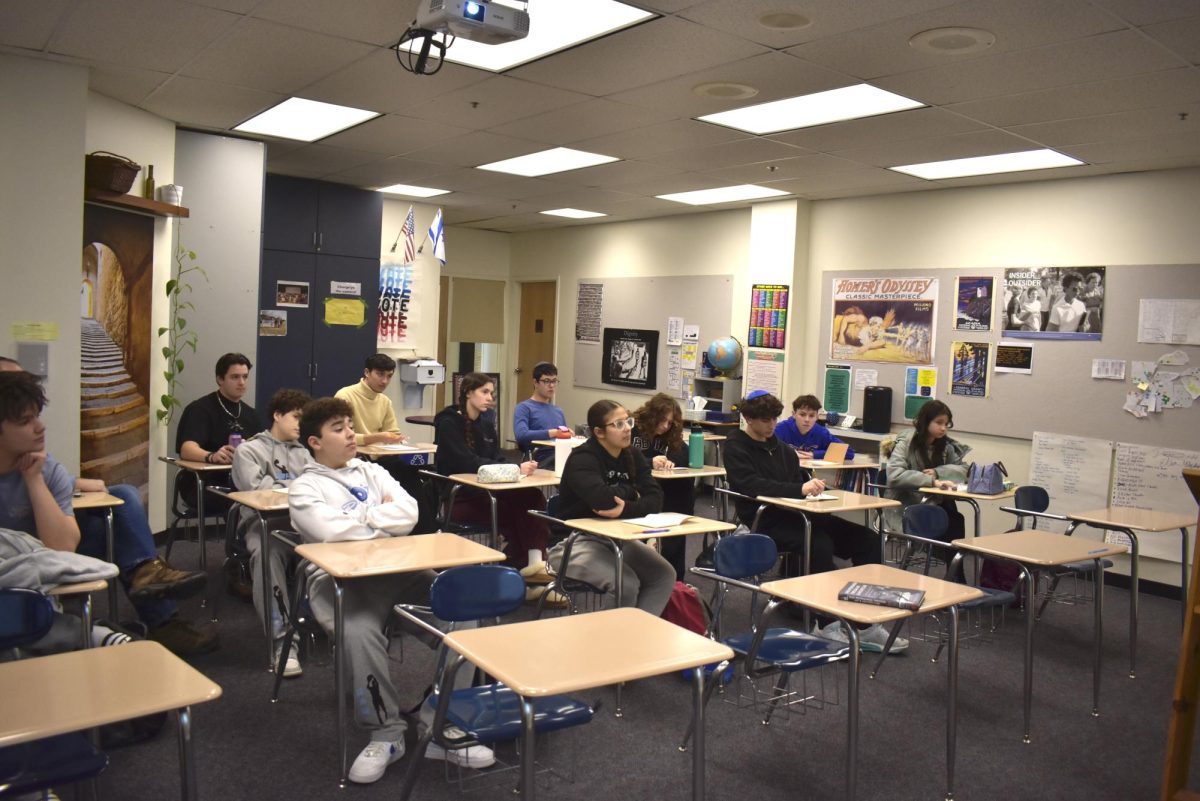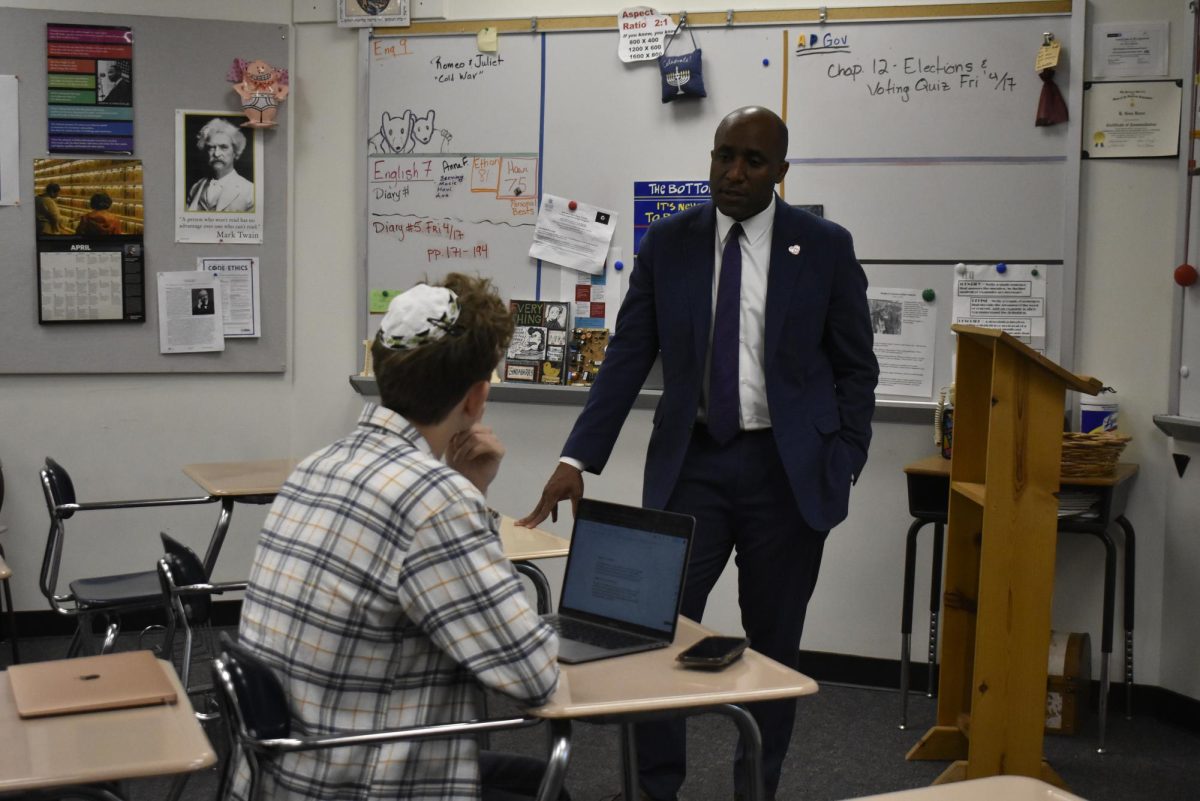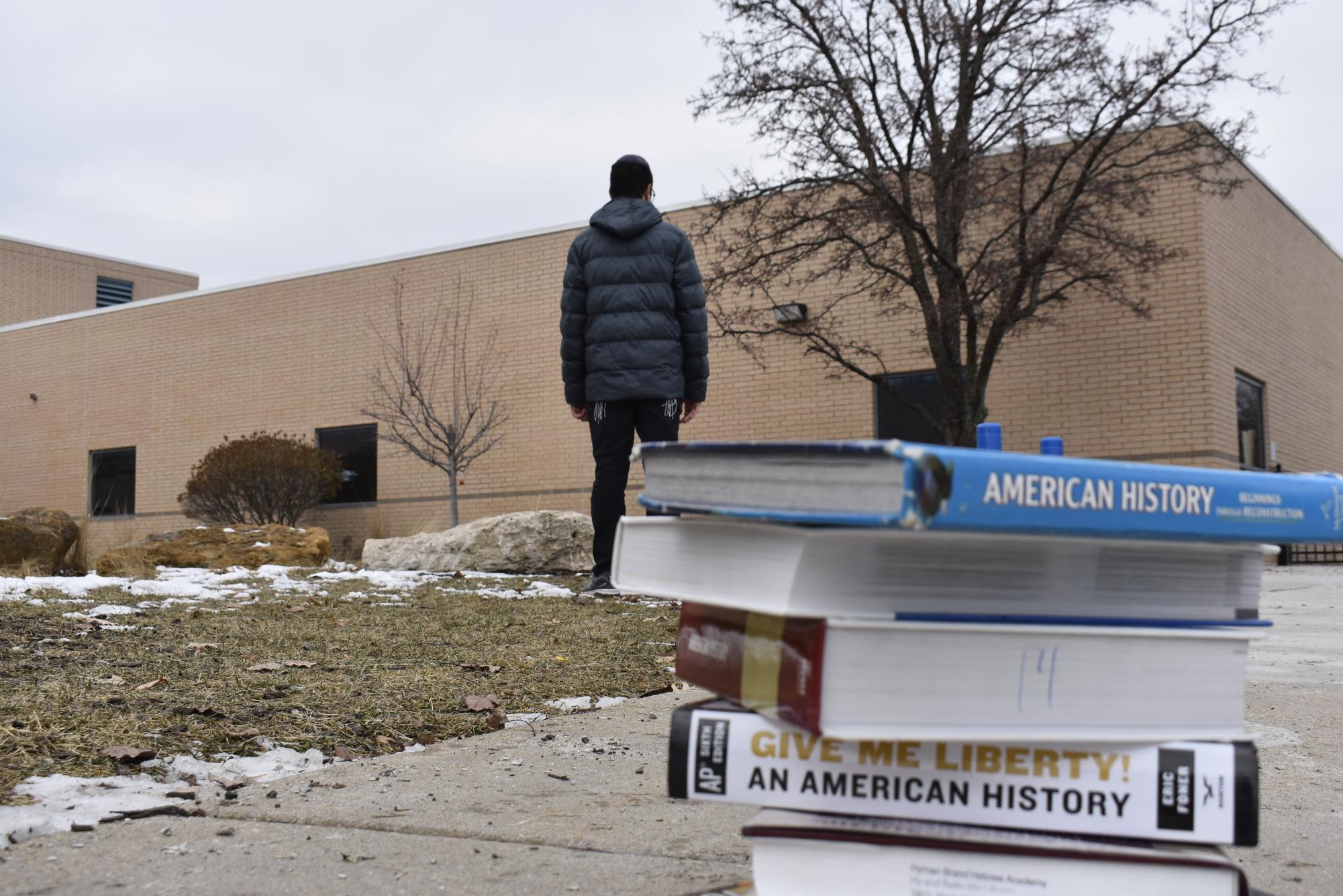

Knowledge of history is on the decline. Over the last ten years of my life, I have heard countless times that kids are increasingly more uninformed about basic history. I’ve observed that oftentimes people do not know what they are talking about when it comes to the past and there is a sad lack of knowledge of historical facts. After looking into the problem, I discovered that it is affecting the country on a national scale. Today’s world is fast paced and obsessed with making innovations, and yet society can lose track of its history while hyper-focused on its daily ambitions.
In the US, statistics show that youth today take less interest in learning about the past. According to The Nations Report Card, the 2022 assessment given to a national sample of eighth-grade students, their knowledge of U.S. history and historical thinking skills and the average 8th grader’s history test scores have gone down every year since 2014. These statistics are also reflected outside of the classroom, where children show little interest in the subject.
There are multiple variables impacting the youth’s decline in interest in the past, and not one thing pinpoints the cause of this lack of historical literacy. Though this issue has become more prominent recently, it is not this generation of kids that ‘started it’. Historical literacy of previous generations has also waned, and thus the parents raising today’s generation are not proficient in US history and therefore are less motivated to educate their children. Statistics show that in 2016-2017, one third of college graduates could not identify the Bill of Rights as a name given to a group of constitutional amendments, according to The ACTA. This profound statistic shows that a large portion of the US adult population who are beyond both high school and college still do not know basic historical facts.
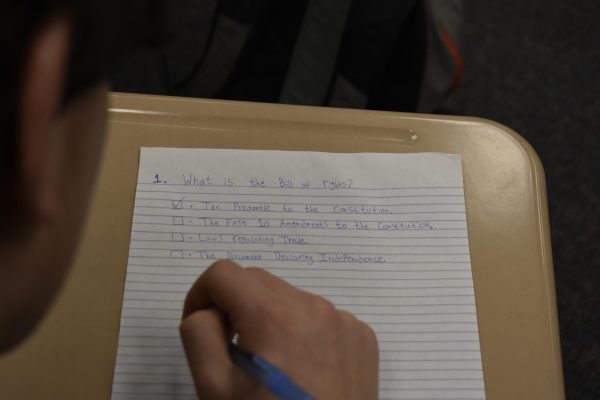
Photo by Uriel Noorollah.
To better understand a student’s perspective, I spoke with Bentzi White, a student at Shawnee Mission South high school in Overland Park, Kan., as well as Rabbi Neal Schuster, a congregational Rabbi in Iowa and former educator at the University of Kansas in Lawrence, Kan.
A major factor in this decline can be attributed to a lack of interest in the subject in high school. White said, “There are a few people who have enjoyed history, and those people do really well in the class. But I think the majority of them might just take the class because they’re forced to. You need the credit to graduate.”
When pondering why people who enjoy history tend to be more successful in a class on it, White said, “The people who enjoy it are way more successful because they’re not just reading it… when you enjoy something, you tend to retain information way better because you’re actually wanting to learn.”
On the other hand, “People who are forced to learn, they kind of start reading a page, but then they have to read the same paragraph ten times because they are just not retaining the information.” White added.
White’s comment also shows the recent challenge of attentiveness highlights the change in how the brain is wired for some of the younger generation. I think that even with effort, reading a textbook can be challenging for a person who is not used to gaining their information by deep reading but rather through social media which is notoriously light on facts. The reason for this may be because hyper-short social media videos focus on conveying just one piece of information. Whereas in one paragraph of a high level textbook multiple interconnected topics are explained, leading to a complex message.

This is the essence of the greater problem at hand. While some students naturally like history, which is great, the majority who have to read the same thing multiple times over never cultivate an interest in what they are memorizing and thus never develop an interest in history.
But why is this important?
You do not need to know much about all the subjects in school, but history is certainly one you should know. The issue with showing no interest in history is that it can lead to moving on and ignoring the critical knowledge of where we came from, resulting in less agency in our own future.
Rabbi Schuster offered a metaphor explaining this importance. He said, “To define the trajectory [of something] requires two points… the present is one point, and our understanding of history helps us to that second point that allows us to find the trajectory… It also gives us the opportunity to look at that trajectory between the past and the present and say, where this is going, I want to change this, and we need to change the direction and take action to do that rather than just following the trajectory that’s defined with the past.”
American high schoolers are often unaware of the past instead of utilizing it to influence their collective future.
Rabbi Schuster additionally expanded on the importance of history, specifically for the Jewish people.
He said, “You look at the Exodus story… this isn’t something that just happened to your ancestors, but you experienced it as well, in every generation, and the way that we (Jews) do that is through telling a story.”
By telling stories from the ancient texts and teaching them to the youth, the Jewish people keep their history alive by experiencing it. While they are telling the story and learning their own history, they could also be learning that history is important as a general practice.
Having a different method for learning history is something White has also considered. When asked if the methods of education could be better, he said, “I think so. It could be taught differently. It is a lot of memorization, which you have to do, because it’s a bunch of terms, but I like the storytelling part of it because it’s more entertaining.”
According to the famous historical author, Doris Kearns Godwin, in her interview with PBS On the Essential Qualities of Presidential Leadership, the excitement of a story is something people remember better than just facts or figures. Stories naturally compel humans because they have been told since the beginning of time; they are part of human DNA. Stories are also a good way of teaching because they can tell students what they need in a way that makes them want to learn more.
When students learn history in an engaging way, it motivates them to want to learn more on their own. Thus cultivating an interest that will only grow throughout adulthood. As a high school student myself, I see that teaching history through stories which still include the facts help students discover for themselves the importance of why they are learning it. Once students have a reason to be interested and a willingness to do so, then they start living history.
On the other hand, if we remove ourselves from major events in history, it might create the illusion that they are not important. In a world that places so much emphasis on moving forward and expanding the future, we can easily lose our history amidst our everyday lives.