






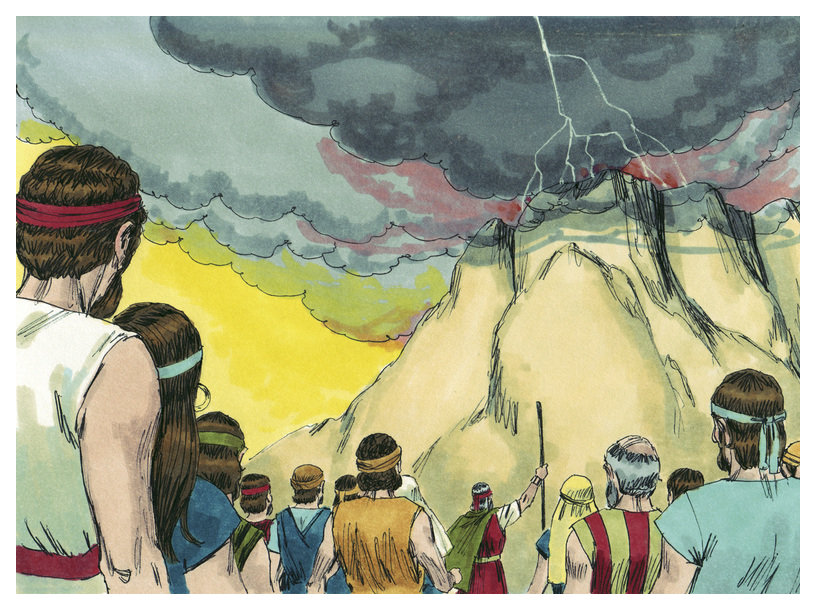
















Hashem reveals Himself to Moshe, breaking the majority of His concealment. This “act” expressed Hashem entrusting Moshe to redeem B’nei Israel (children of Israel), delivering them to the promised land of Israel, and having us be claimed as the people of Hashem at Har Sinai.
Moshe embarks on this journey of redemption, and with Aharon alongside him, he asks repeatedly for Pharaoh to let the Jews go free. After being rejected each time, Hashem sends a series of plagues to the Egyptians as punishment and an opportunity for the Jewish people to leave freely. Still stubborn against the Jews leaving, Pharaoh wasn’t convinced as his magicians told him there was no need to worry.
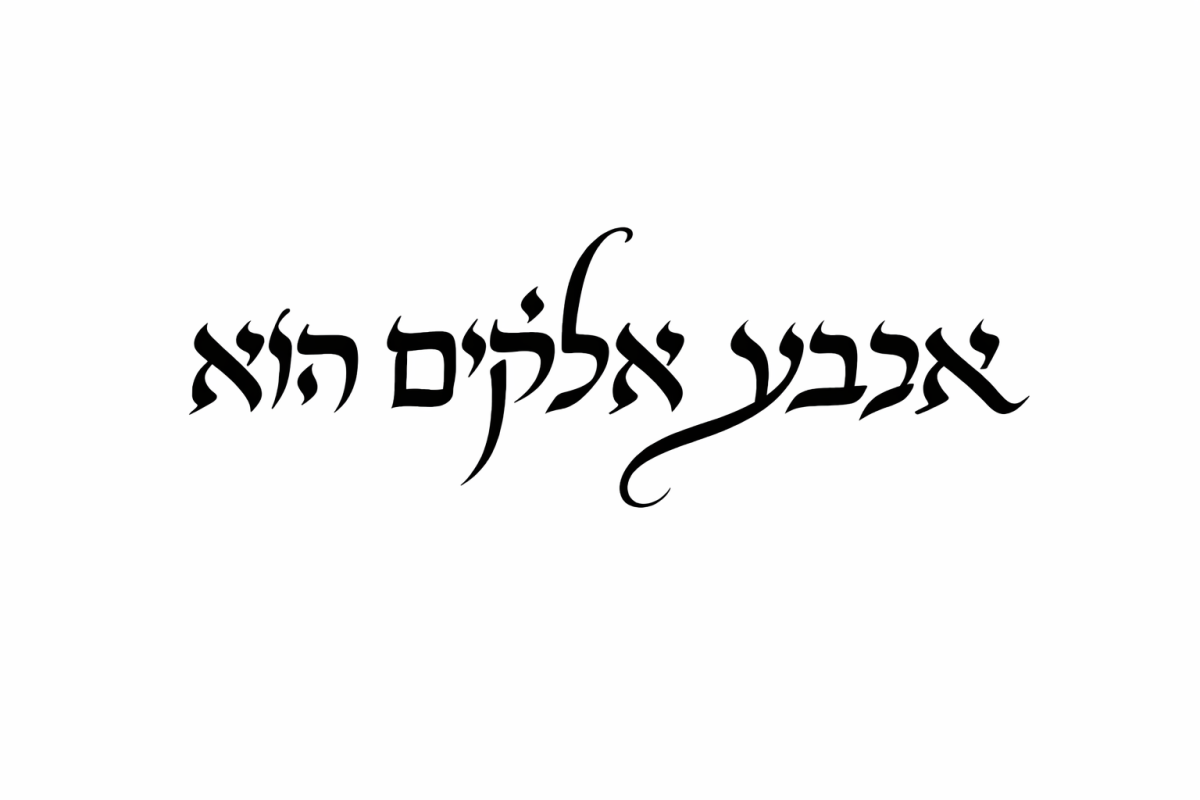
And yet, after the plague of lice, something changes. Pharaoh’s magicians were finally silenced. The Torah tells us: “וַיֹּאמְרוּ הַחַרְטֻמִּים אֶל פַּרְעֹה אֶצְבַּע אֱלֹקִים הִוא.” “And the magicians said to Pharaoh, ‘This is the finger of G-d.’” (Shemot 8:15)
Rashi explains that the magicians could no longer replicate the plague of lice. Up until this point, they believed they were still in control. Blood and frogs both came from water, and in their minds, that meant these plagues could be explained away as sorcery or as limited divine power. As long as they could imitate the miracles, Pharaoh could continue denying Hashem’s absolute authority.
Magic, according to Chazal, Rabbis during Messianic and Talmudic times, cannot create something that small. The magicians failed, and they were forced to admit the truth: this was the “finger of G-d.”
The Gemara in Gittin (56b) deepens this idea with the story of Titus. After destroying the Beit Hamikdash, Titus mocked Hashem, claiming that the Jewish G-d only had power over water. He challenged Hashem to confront him on dry land. Hashem’s response was a yatush, a tiny gnat, which entered Titus’s nose, which caused his death.
This is why the magicians finally let go after the plague of lice. They realize that if Hashem can control the dust of the earth, then He truly rules over everything.
Parshat Va’eira teaches us that Pharaoh’s downfall was due to stubbornness. The signs were always there; the question was whether he was willing to acknowledge them.
Hashem’s presence isn’t only revealed in the dramatic moments of our lives, but often in the small, quiet details we tend to overlook. He isn’t there solely during hard moments; He is to thank for all the small opportunities granted, as well for all the routine moments. He is involved in our successes, growth, struggles, and desperation. By acknowledging Hashem in the small things, we develop a deeper sense of gratitude and emunah.
If we train ourselves to notice the “finger of G-d” in the little things, we begin to understand just how deeply He is involved in every aspect of our world and lives.